



LCD Separator Machine in Pakistan: Complete Guide for Mobile Screen Repair

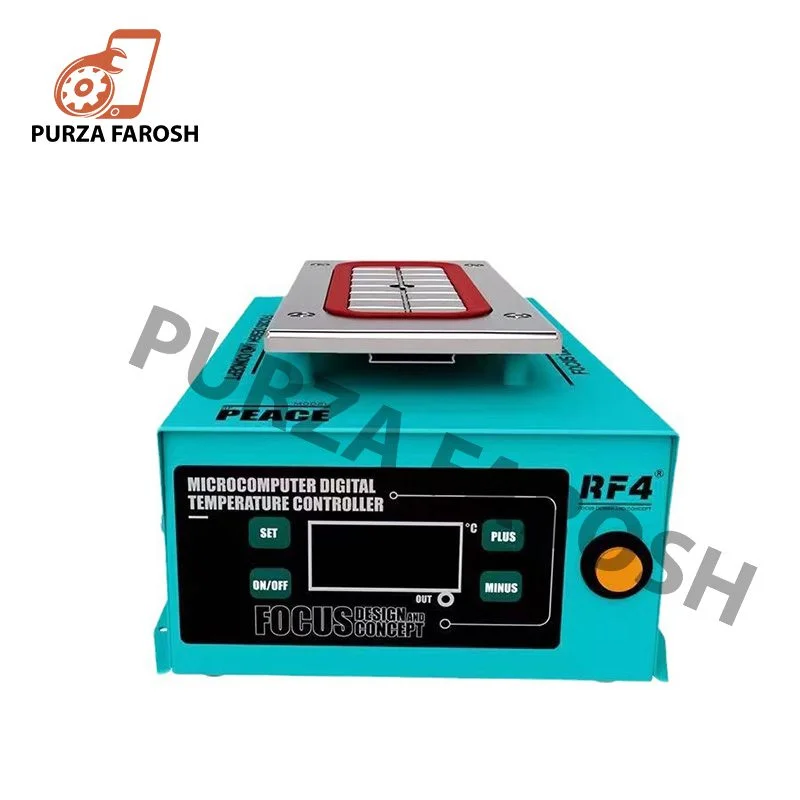
Mobile phone screens have become thinner, more complex, and more expensive to repair. For technicians who repair mobile screens, replacing an entire display assembly isn’t always the only option. In suitable repair and refurbishment situations, technicians may need to separate glass, adhesive layers, or display assemblies using specialised equipment.
One of the most important machines for this type of work is an LCD separator machine.
A screen separator machine uses controlled heat and, in many models, vacuum suction to help secure a screen while adhesive layers are carefully separated. The exact process depends on the phone model, display technology, adhesive, machine design, and technician’s experience.
This guide explains what an LCD separator machine is, how it works, where it is used, the main types available, and what technicians should consider before buying one in Pakistan.
What Is an LCD Separator Machine?
An LCD separator machine is a specialised mobile repair machine designed to assist with screen-related separation work. Depending on the repair process and machine design, it can help technicians separate components such as the outer glass, display assembly, or screen assembly from adhesive layers.
Most professional separator machines combine one or more of these features:
- Controlled heating plate
- Digital temperature control
- Vacuum suction
- Silicone working mat
- Stable working platform
- Adjustable positioning
- Flat-screen compatibility
- Curved-screen support in selected models
Controlled heat can soften adhesive, while vacuum suction helps hold the screen more securely during separation.
Quick Answer
What is an LCD separator machine used for?
An LCD separator machine is used in professional mobile screen repair and refurbishment workflows to help separate screen components. It typically uses controlled heat and, depending on the model, vacuum suction to stabilise the device during careful separation.
How Does an LCD Separator Machine Work?
Although designs vary by brand and model, the basic working principle is similar.
1. Controlled Heating
Place the screen or display assembly on a heating surface. The machine raises the temperature in a controlled manner to help soften the adhesive.
Never assume the correct temperature is the same for every device. Different display technologies and adhesive systems may have different requirements, so technicians should follow the relevant machine instructions and repair procedures for the specific screen.
2. Vacuum Fixation
Many automatic LCD separator machines include a vacuum system.
Once activated, the vacuum helps hold the screen assembly against the working platform. This can reduce unwanted movement while the technician performs the separation process.
3. Controlled Separation
After the adhesive has softened enough, a trained technician may use an appropriate separation wire or specialised tool to separate the relevant layers carefully.
This stage requires patience and precision. Excessive force, incorrect tool angle, or unsuitable heat can damage the display.
4. Inspection and Cleaning
After separation, the technician inspects the display and removes any remaining adhesive using the appropriate tools and process.
A separator machine is therefore only one part of a complete mobile screen repair workflow.
Why Is a Screen Separator Machine Important for Mobile Repair?
A modern smartphone contains delicate components. During screen repair, technicians often need more control than uncontrolled heat or improvised tools can provide.
A professional mobile screen separator machine may provide several practical benefits.
Better Screen Stability
Vacuum-based systems can help keep the screen in position.
More Consistent Heating
A controlled heating plate can provide a more predictable working environment than uncontrolled heat sources.
Improved Workflow Organisation
A dedicated machine can help technicians create a more structured screen repair workstation.
Support for Professional Repair Work
For workshops that regularly do display refurbishment or separation work, a separator machine can be part of a broader collection of mobile repair tools.
For technicians building a complete workstation, you can also explore the Complete Mobile Repairing Tools List on Purzafarosh, which covers essential tools used by beginners and professional technicians.
Types of LCD Separator Machines
Not every LCD separator machine has the same design or capabilities.
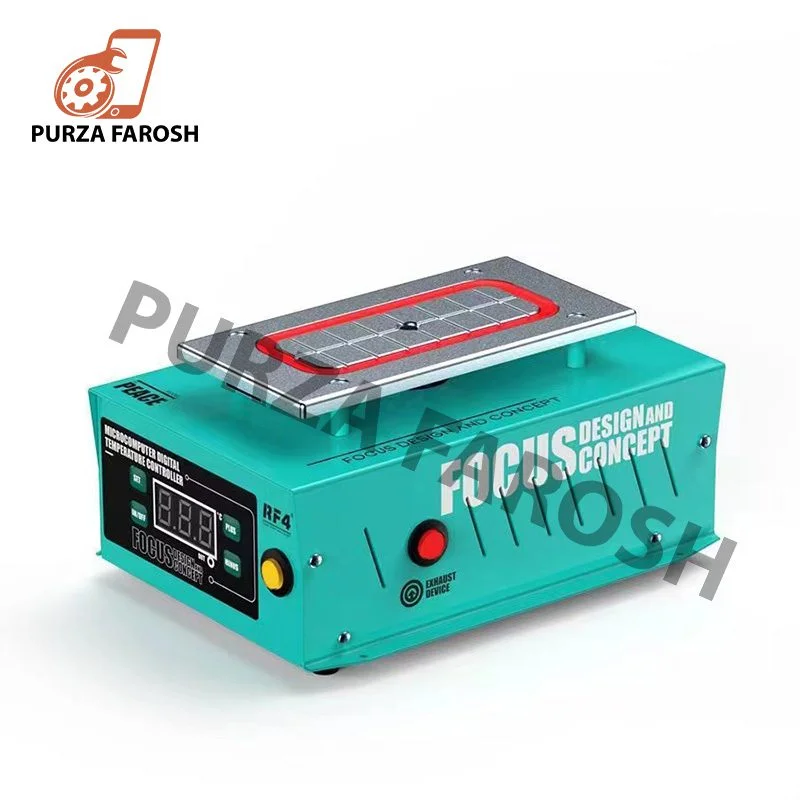
Vacuum Heating Separator Machine
This is one of the most common designs.
It typically combines:
- Heated working plate
- Digital temperature controls
- Built-in vacuum pump
- Silicone pad
The vacuum holds the screen, while controlled heat supports separation.
This type suits many general mobile screen repair workflows.
Automatic LCD Separator Machine
An automatic LCD separator machine may offer more advanced features depending on the model.
These can include:
- Digital temperature control
- Automatic heating systems
- Stronger vacuum mechanisms
- Adjustable platforms
- Additional separation functions
When choosing an automatic model, technicians should evaluate the actual functions rather than assuming that “automatic” means every separation step is performed without technician skill.
Glass Separator Machine
A glass separator machine is generally used for workflows that separate outer glass from the display assembly.
This type of work is particularly sensitive because damage to the underlying display can make the repair unsuccessful.
For this reason, trained technicians should perform glass separation using appropriate equipment and procedures.
Rotating or Tilting Separator Machines
Some advanced machines include:
- Rotating platforms
- Tilting mechanisms
- Adjustable working angles
These features can be useful when technicians need greater flexibility, particularly for certain curved-screen workflows.
Technical guides for modern separator equipment emphasise that curved displays may require more careful positioning and platform adjustment than flat displays.
Technical guides for modern separator equipment emphasise that curved displays may require more careful positioning and platform adjustment than flat displays.
LCD Separator Machine vs Manual Screen Removal
A common question is whether technicians really need a dedicated machine.
The answer depends on the type and volume of repair work.
| Heating may depend on external tools | Controlled heating platform |
| Device stability depends on setup | Vacuum fixation in supported models |
| More improvised workflow | Dedicated repair workstation |
| Results depend heavily on manual handling | More repeatable setup |
However, an important point should be clear:
An LCD separator machine does not eliminate the risk of damaging a display.
Professional repair still requires proper training, correct tools, suitable procedures, and knowledge of different display types.
Flat vs Curved Screen Separation
Flat Displays
Flat screens generally allow a more straightforward positioning process because the working surface is level.
A stable heating plate and properly aligned screen can support a controlled separation workflow.
Curved Displays
Curved screens require additional care because their shape affects the separation angle.
Machines with rotating or tilting platforms can provide more positioning flexibility for certain curved-screen repairs.
Before purchasing a machine, check whether it is designed for:
- Flat screens only
- Flat and curved displays
- Screen assemblies
- Frame removal
- Tablet-sized devices
How to Use an LCD Separator Machine Safely
The exact procedure depends on the specific machine and device. Always prioritise the manufacturer’s instructions.
However, a typical professional workflow may include the following steps.
Step 1: Inspect the Screen
Check the device’s condition before applying heat.
Look for:
- Severe cracks
- Frame damage
- Loose components
- Existing display problems
Documenting the device condition before repair is also a good professional practice.
Step 2: Prepare the Workstation
Place the machine on a stable and suitable work surface.
Keep the workstation clean and ensure tools are organised before you begin.
Appropriate safety equipment may include heat-resistant gloves and eye protection, particularly when working with heated components or broken glass.
Step 3: Check the Machine Setup
Before placing the device:
- Inspect the silicone mat
- Check that vacuum holes are not improperly blocked
- Confirm the machine is functioning correctly
- Allow the temperature to stabilise as required by the procedure
A poor vacuum seal can make the screen less stable during separation.
Step 4: Use Suitable Temperature Settings
Avoid assuming one temperature works for every phone.
Display technologies vary, and OLED panels can be particularly sensitive to excessive heat. Always follow the relevant repair documentation or machine instructions for the specific screen.
Step 5: Secure the Screen
If the machine includes vacuum suction, activate it according to the machine’s instructions.
Make sure the screen is positioned correctly and is stable.
Step 6: Perform Separation Slowly
Use the appropriate separation method and avoid sudden force.
Aim for controlled movement rather than speed.
Technicians who are learning screen separation should practise on old or damaged screens before attempting expensive customer devices.
Step 7: Inspect the Result
After separation:
- Turn off vacuum if applicable
- Remove the component carefully
- Allow components to cool when necessary
- Inspect for visible damage
- Clean residual adhesive using suitable tools and procedures
Common Mistakes to Avoid
Using Excessive Heat
More heat does not automatically mean easier separation.
Too much heat can increase the risk of damaging sensitive display components.
Pulling Too Hard
Separation should be controlled. Excessive force can damage fragile layers.
Ignoring Vacuum Stability
If the screen moves during separation, the risk of mistakes may increase.
Using the Wrong Machine for the Job
A basic flat-screen machine may not provide the same flexibility as a specialised rotating or tilting machine.
Treating Every Screen the Same
Different devices can have different:
- Display technologies
- Adhesive systems
- Screen shapes
- Frame designs
A professional technician adjusts the workflow according to the specific repair.
LCD Separator Machine Price in Pakistan
One of the most important commercial searches is:
LCD separator machine price in Pakistan
The price can vary significantly depending on:
- Brand
- Heating plate size
- Vacuum system
- Temperature control
- Flat-screen compatibility
- Curved-screen support
- Rotating or tilting platform
- Additional repair functions
Instead of choosing a machine based only on the lowest price, consider whether the model suits the type of work your workshop does.
If you’re a beginner who handles occasional screen repairs, a basic model may be enough.
For a busy repair workshop handling different smartphones and display types, a more advanced automatic LCD separator machine may be a better long-term investment.
You can explore related equipment through Purzafarosh’s mobile repair machines collection and compare products based on your actual repair requirements.
How to Choose the Best LCD Separator Machine
Before buying, ask these questions.
What Screen Sizes Do You Repair?
Check whether the heating platform is suitable for:
- Smartphones
- Large smartphones
- Tablets
Do You Repair Curved Displays?
If yes, consider machines designed for curved-screen workflows.
Is Vacuum Suction Included?
A vacuum system can help provide stability during supported separation processes.
Is Temperature Control Adjustable?
Precise control is generally more useful than a simple on/off heating system.
How Much Repair Work Do You Perform?
A high-volume workshop may need a more durable, flexible machine than a technician doing occasional repairs.
Do You Have the Other Required Tools?
A separator machine works alongside other equipment, such as:
- Separation wire
- Tweezers
- Cleaning tools
- Adhesive removal tools
- Heating equipment
- Screen fixtures
- Other mobile phone repair tools
Frequently Asked Questions
What is an LCD separator machine?
An LCD separator machine is a mobile repair machine that uses controlled heating and, in some models, vacuum suction to assist with screen and display separation workflows.
Is an LCD separator machine useful for mobile repair?
Yes. It can help technicians who perform screen repair and refurbishment, especially when their workflow requires controlled heating and stable positioning.
What is the difference between a glass separator machine and an LCD separator machine?
The terms can overlap in the mobile repair industry. A glass separator machine generally refers to equipment used in workflows that separate the outer glass from the display assembly. In contrast, an LCD separator machine may refer more broadly to screen separation equipment.
Can one machine repair every type of phone screen?
No. Compatibility depends on the machine design, display type, screen size, and repair process.
What affects the LCD separator machine price in Pakistan?
Price depends on features such as platform size, vacuum strength, heating control, curved-screen support, brand, and additional functionality.
Is an automatic LCD separator machine better?
Not always. The best machine depends on the technician’s workload and the types of devices being repaired.