



3M Double Sided Tape: Types, Uses & How to Choose

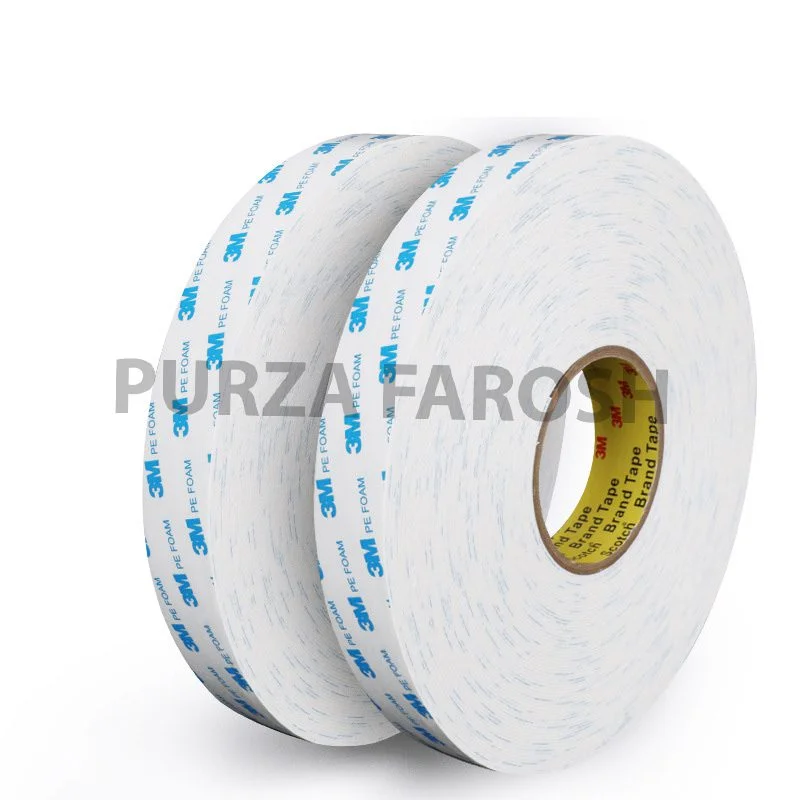
Double-sided tape is a practical adhesive solution for bonding two surfaces without visible screws, liquid glue, or mechanical fasteners. 3M double-sided tape is available in different constructions and adhesive technologies, so the right option depends on the surfaces being joined, required bond strength, tape thickness, flexibility, temperature, and whether the bond needs to be permanent or removable.
For mobile repair, electronics, automotive work, signage, mounting, crafts, and industrial applications, choosing the correct tape matters because different materials require different adhesive properties.
This guide explains the main 3M double-sided tape types, how they work, where they are used, how to apply them correctly, and what to consider before buying.
What Is 3M Double Sided Tape?
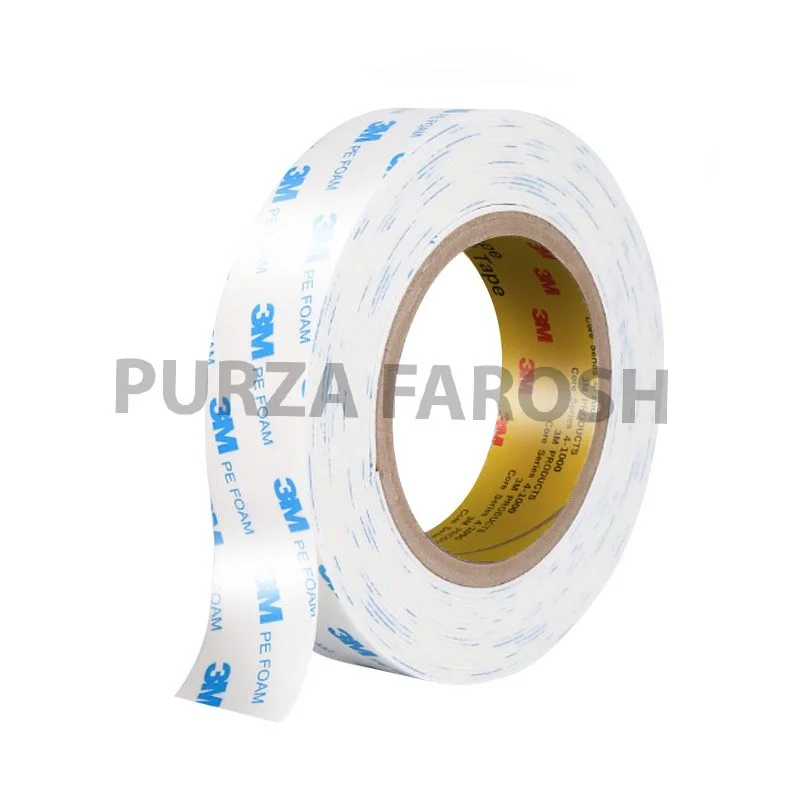
3M double-sided tape is an adhesive tape with pressure-sensitive adhesive on both sides. The tape sits between two surfaces and bonds when you press it down.
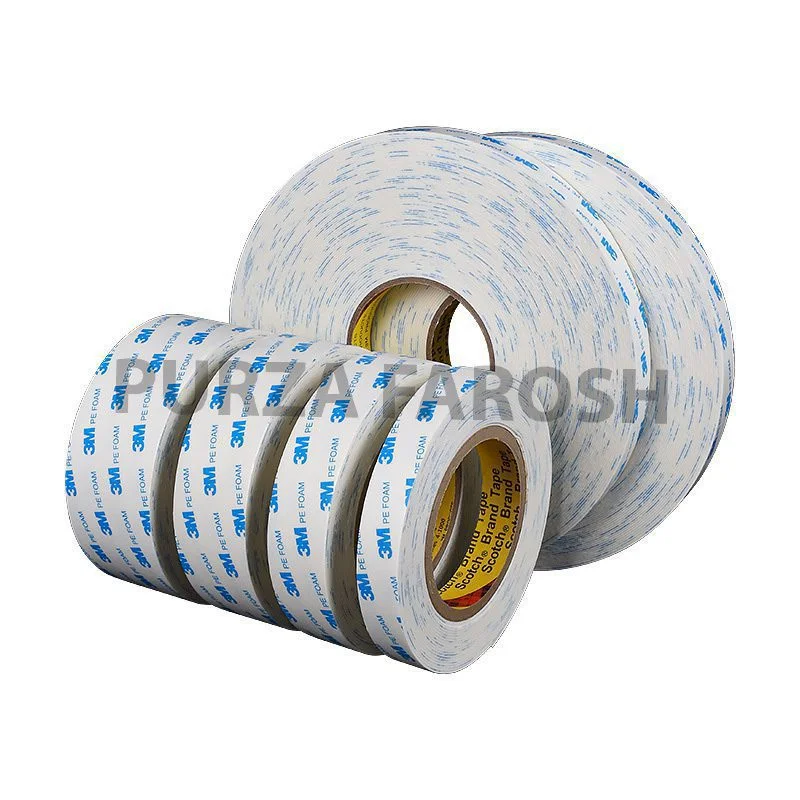
Depending on the product, the tape may use a film, tissue, foam, or another carrier. Some products are designed for thin, low-profile bonding, while others are designed for high-strength applications and gap filling.
3M’s double-sided tape range includes solutions for different substrates and applications, including thin bonding tapes, foam tapes, double-coated tapes, adhesive transfer tapes, and 3M VHB tapes.
The key point is that not all 3M double-sided tapes perform the same. A tape suitable for lightweight mounting may not suit a demanding structural application.
How Does Double Sided Adhesive Tape Work?
Double-sided adhesive tape bonds two surfaces through pressure-sensitive adhesive.
A typical application works like this:
Clean and prepare the first surface.
Apply the tape to the first surface.
Apply pressure to improve adhesive contact.
The protective liner is removed.
The second surface is positioned.
Pressure is applied again.
The adhesive continues developing its bond over time.
The actual performance depends on the specific tape, adhesive, substrates, environmental conditions, and application method.
That is why simply choosing the thickest or strongest-looking double-sided adhesive tape isn’t always the right approach.
Types of 3M Double Sided Tape
3M offers several categories of double-sided bonding products. Understanding their differences makes it easier to choose the right tape.
1. 3M VHB Double Sided Tape
3M VHB™ is designed for high-strength, long-lasting bonding applications. It uses acrylic foam construction and can provide gap filling, vibration damping, fatigue resistance, and accommodation of differences in thermal expansion.
VHB products are commonly considered when a strong bond is required without conventional mechanical fastening.
However, VHB is a product family, not a generic name for every strong double-sided tape. Select the exact VHB product based on the application and substrates.
2. Thin Double Sided Tape
Thin bonding tape is useful when you want to keep the finished assembly slim and discreet.
These tapes can be useful for:
Electronics
Display components
Graphics
Panels
Fabric and foam attachment
Automotive interiors
Low-profile assemblies
3M notes that thin bonding products can provide strong bonding while maintaining a relatively low profile.
3. Double-Sided Foam Tape
Foam-based tape has a thicker carrier that can help conform to surfaces and accommodate certain gaps.
Depending on the product, foam tape can provide:
Cushioning
Conformability
Vibration damping
Gap filling
Mounting support
The specific adhesive and foam construction still matter, so choose products based on the application rather than thickness alone.
4. Adhesive Transfer Tape
Adhesive transfer tape is different from conventional double-coated tape because it can consist of a thin adhesive layer without a traditional carrier.
This construction can be highly conformable and useful where a thin adhesive bond is required. 3M identifies adhesive transfer tape as one category within its thin-bonding solutions.
5. 3M Clear Double Sided Tape
Clear or transparent double-sided adhesive tape can be useful when maintaining a clean visual appearance is important.
It may be considered for:
Displays
Graphics
Transparent materials
Decorative components
Low-visibility mounting
The exact optical and bonding performance depends on the specific product, so check the manufacturer’s technical information before using it for a particular application.
3M VHB vs Regular Double-Sided Tape
One of the most common questions is whether 3M VHB double-sided tape is simply a stronger version of regular double-sided tape.
The answer is more nuanced.
VHB is a specific family of 3M acrylic foam tapes designed for demanding bonding applications. Regular double-sided tapes can use different carriers and adhesive systems and may be designed for lightweight mounting, thin bonding, graphics, electronics, or other purposes.
| Construction | Various carriers | Acrylic foam |
|---|---|---|
| Profile | Thin to moderate | Often thicker |
| Bonding | Application dependent | High-strength applications |
| Gap filling | Product dependent | One of its useful characteristics |
| Vibration damping | Product dependent | Designed to provide this property |
| Best use | General bonding | Demanding bonding applications |
| Selection | Based on application | Based on specific VHB product and substrates |
The right choice should always be based on the specific application, not on assuming one tape works everywhere. 3M’s product selector lets you choose by substrate, thickness, surface characteristics, temperature, and other requirements.
What Can 3M Double Sided Tape Be Used For?
The exact applications depend on the specific tape, but double-sided adhesive products can be used in many areas.
Mobile Phone and Electronics Repair
In electronics and mobile repair, thin adhesive tape can secure components, films, covers, accessories, and other lightweight parts, as long as it’s compatible with the materials involved.
For delicate electronics work, avoid selecting tape based only on the phrase “heavy duty.” Thickness, adhesive strength, residue, removability, temperature exposure, and the material being bonded can all matter.
Automotive Applications
Automotive bonding can involve trim, badges, decorative components, panels, and other assemblies. For demanding applications, select the right 3M product based on the vehicle material, environmental exposure, temperature, and required bond strength.
Signage and Graphics
Thin bonding and transfer tapes can be useful for attaching graphics, signs and decorative materials where a clean finished appearance is required.
Home and DIY Projects
Depending on the product, double-sided tape can mount lightweight objects, organise materials, attach decorative elements, or create clean temporary or permanent bonds.
How to Apply Double-Sided Adhesive Tape Correctly
Correct application can make a major difference to adhesive performance.
Step 1: Clean the Surface
Surfaces should be clean, dry, and free of dust, oil, grease, and other contaminants.
For many 3M VHB applications, 3M recommends appropriate surface preparation and commonly references IPA/water cleaning, while noting that some materials require additional preparation.
Do not automatically use the same cleaner on every material. Check the instructions for the particular tape and substrate.
Step 2: Prepare the Tape
Cut the required length cleanly.
Avoid touching the adhesive surface with your fingers, as contamination can affect bonding.
Step 3: Apply the Tape
Position the tape carefully on the first surface.
Avoid stretching the tape during application. Apply consistent pressure so the adhesive makes good contact with the substrate. 3M’s application guidance emphasises pressure because adhesive-to-surface contact is important for bond development.
Step 4: Remove the Liner
Once the first side is properly applied, remove the protective liner without contaminating the exposed adhesive.
Step 5: Join the Second Surface
Position the second substrate carefully.
Once the surfaces contact each other, apply appropriate pressure across the bonded area.
Step 6: Allow the Bond to Develop
Do not assume that maximum bond strength exists immediately after installation.
For specific 3M VHB applications, 3M explains that bond strength builds over time, with substantial strength developing during the first hours and continuing toward ultimate strength over approximately 72 hours at room temperature under appropriate conditions. Exact performance varies by product and application.
How to Choose the Right 3M Double Sided Tape
Before buying 3M double-sided tape, consider these factors:
1. Surface Material
Identify both surfaces you need to bond.
Examples include:
Glass
Metal
Plastic
Painted surfaces
Foam
Fabric
Electronics components
Different substrates can require different adhesive technologies.
2. Required Bond Strength
Ask how much load the tape needs to support.
For lightweight attachment, a thin tape may be sufficient. For demanding applications, consider a high-strength product such as an appropriate VHB solution.
3. Tape Thickness
Thickness affects how the tape behaves.
A thin tape can be useful where a low-profile finish is important, while thicker foam constructions may provide additional conformability or gap-filling capability.
4. Temperature
Consider both the installation environment and the temperature the finished assembly will experience.
3M’s product-selection tools specifically include temperature criteria because performance varies between products.
5. Permanent or Removable Bond
Some tapes are intended for durable bonding, while others are designed to be repositionable or removable.
Do not assume that all double-sided tape can be removed cleanly.
6. Surface Texture
Smooth, flat surfaces and rough or textured surfaces can behave differently.
A product suitable for a smooth surface may not perform the same way on a heavily textured substrate.
Common Mistakes When Using Double-Sided Tape
Avoid these mistakes if you want a reliable bond:
Applying tape to a dusty or oily surface
Using the wrong tape for the substrate
Stretching the tape during installation
Touching the adhesive excessively
Applying insufficient pressure
Ignoring temperature conditions
Expecting maximum bond strength immediately
Assuming thicker tape is always better
Using a generic tape where a specific technical-grade product is required
Ignoring the manufacturer’s technical data
For professional applications, 3M recommends evaluating and testing the selected product in the intended application rather than relying only on general product descriptions.
3M Double Sided Tape for Mobile Repair
For mobile phone repair and electronics work, tape selection should prioritise compatibility, thickness, clean application and the specific component being secured.
A low-profile tape may be more appropriate where internal clearance is limited. A thicker foam tape may be useful where conformability or cushioning is required.
For sensitive electronics, always consider:
Available space
Surface material
Heat exposure
Required holding strength
Removal requirements
Potential adhesive residue
Whether the tape is intended for the specific application
A professional repair workflow should never rely on adhesive strength alone.
3M Double Sided Tape vs Liquid Glue
Both adhesive tape and liquid glue can be useful, but they work differently.
Double-sided tape provides a controlled, clean bonding layer without liquid curing, while liquid adhesives may be preferable for certain irregular surfaces, gap requirements, or applications designed around liquid adhesive.
Tape can also simplify assembly because the adhesive is already integrated into the product.
The best choice depends on the materials, required strength, working environment, appearance and removal requirements.
Frequently Asked Questions
What is 3M double sided tape used for?
3M double-sided tape bonds two surfaces without visible mechanical fasteners. Specific products are designed for applications ranging from thin bonding and graphics to demanding high-strength assemblies.
Is 3M VHB the same as double-sided tape?
3M VHB is a specific family of high-strength acrylic foam double-sided tapes. It should not be treated as a generic name for every 3M double-sided adhesive tape.
Is 3M double-sided tape permanent?
Some 3M tapes are designed for durable or permanent bonding, while other products have different repositionable or removable characteristics. Always check the specific product documentation.
How long does 3M double-sided tape take to bond?
Bond development varies by product, substrate, temperature, pressure and application. For some VHB applications, 3M states that bond strength continues developing over approximately 72 hours at room temperature.
Can double-sided tape be used on electronics?
It can be used for suitable electronics applications when the selected tape is compatible with the substrates, temperature conditions and required bonding performance. The exact product should be evaluated for the intended application.
How do I get better adhesion from double-sided tape?
Start with a clean, dry surface, use a compatible tape, apply it without stretching, and apply appropriate pressure. Surface preparation and pressure are important parts of 3M’s application guidance.
Final Thoughts
Choosing the right 3M double-sided tape is less about finding the strongest tape and more about matching the tape to the job.
Consider the substrate, required bond strength, thickness, flexibility, temperature, surface condition, application method, and removal requirements before deciding.
For demanding applications, use the specific 3M product’s technical documentation and test the tape on the actual materials before committing to a large installation. 3M’s own product-selection resources are designed around these application-specific factors rather than treating all double-sided tapes as interchangeable.
For mobile repair, electronics, DIY, automotive work or professional assembly, the right adhesive tape can provide a clean and efficient bonding solution but
the correct tape for the specific application is always more important than simply choosing the strongest or thickest option